How to Turn an SOP Into an AI Agent

A written SOP is most of the spec for an AI agent. Eight steps to convert one, with a design studio’s proposal process as the example: 31 of 34 matches in testing, then proposals out in hours.
A written SOP is most of the spec for an AI agent. Eight steps to convert one, with a design studio’s proposal process as the example: 31 of 34 matches in testing, then proposals out in hours.
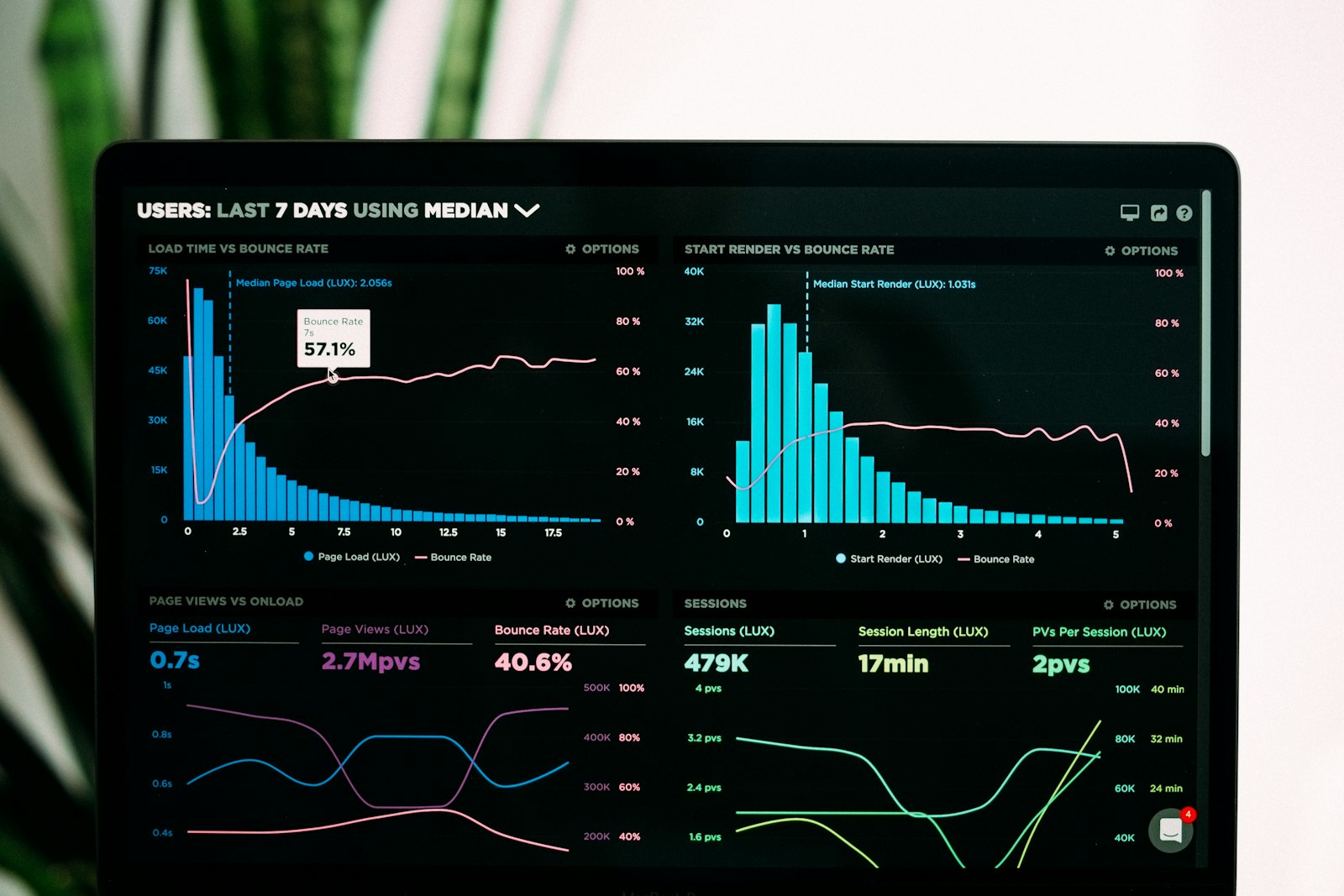
Most AI agents only get checked for whether they ran. A weekly routine and seven metrics to check they were right, with client cases where a healthy-looking number hid the problem.
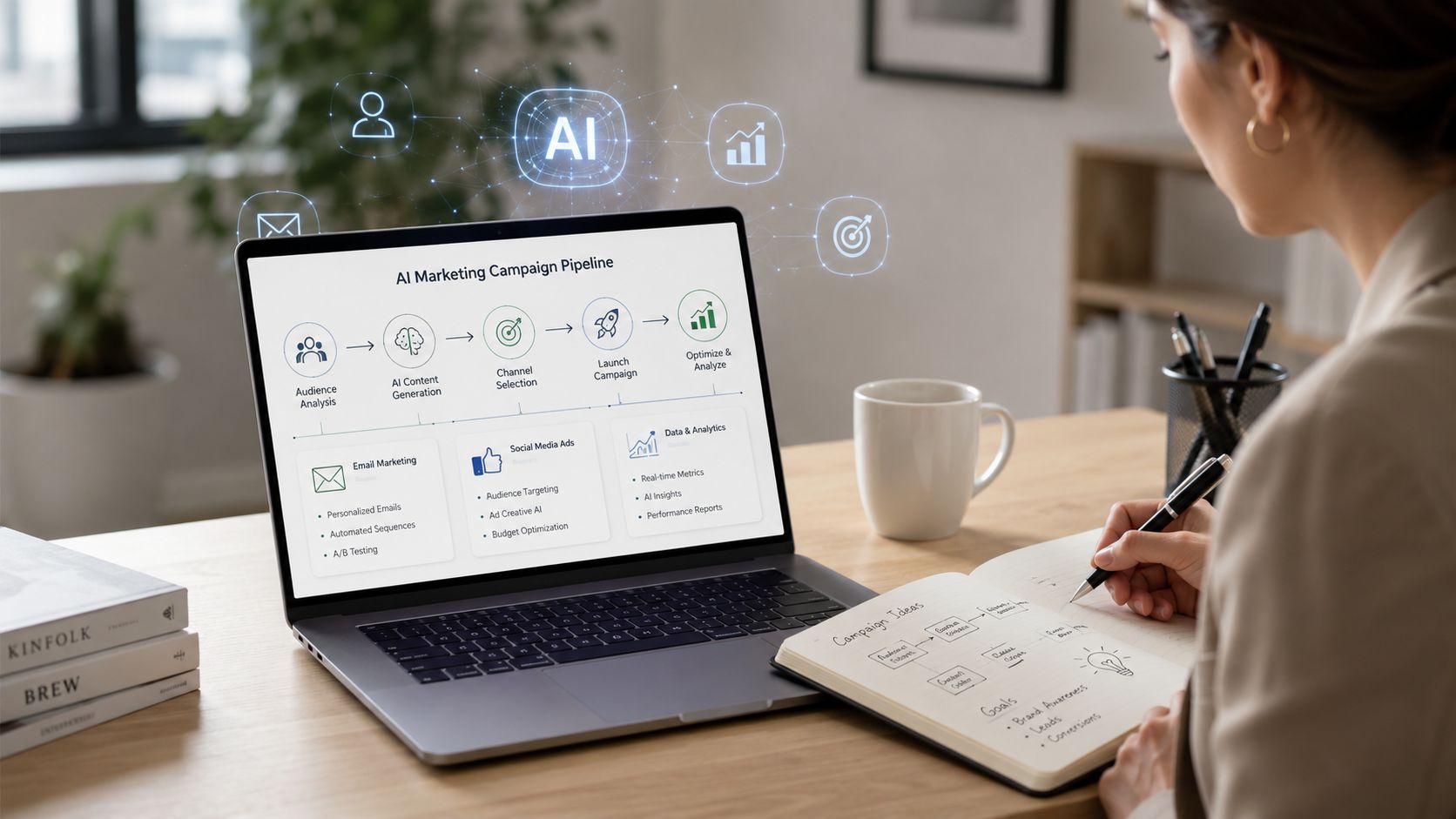
How I built an AI campaign generator that turns one brief into a tested set of assets, using a dated input bundle, narrow prompts, a claims review and a holdout test, plus the places it broke on me first and a plan you can build Monday.
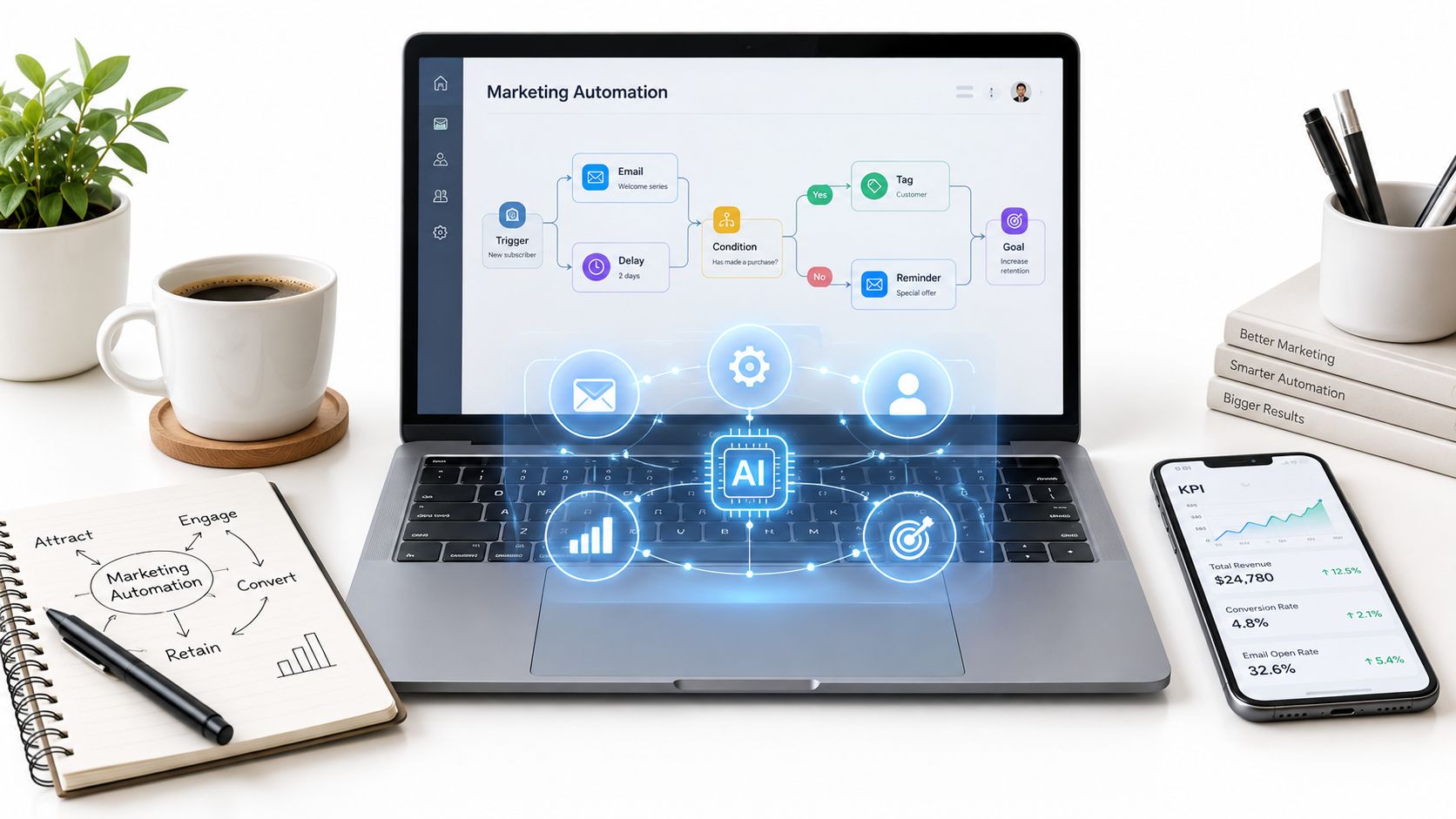
Learn marketing automation by designing the decision logic first, then building one measurable workflow in a tool you can operate yourself.

AI market forecasts are useful for direction, but opportunity is the gap between projected spending and realized ROI. This playbook shows founders how to test demand, account for trust constraints, and turn forecasts into weekly operating decisions.
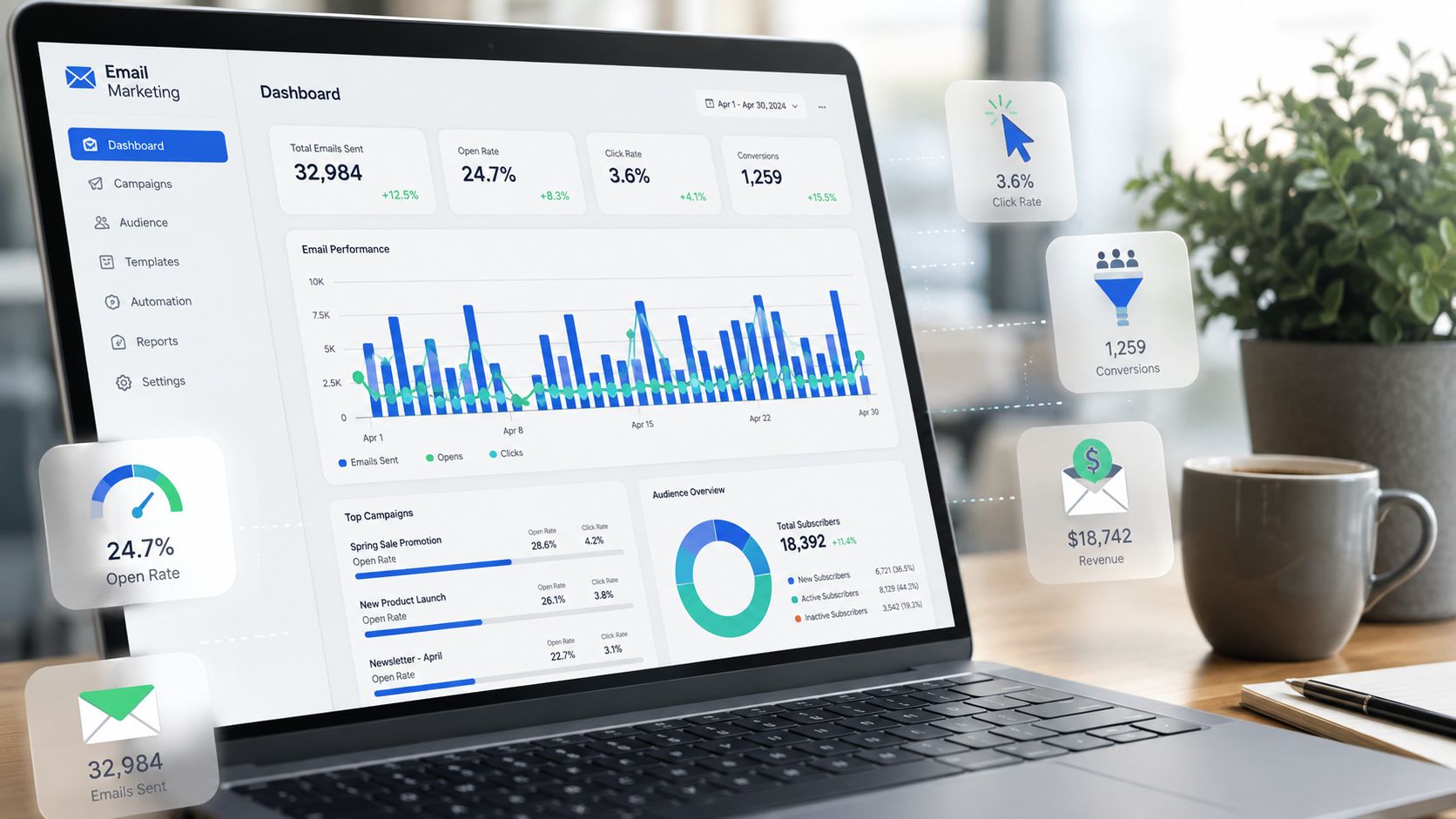
Open rate is a noisy proxy for attention. I explain the email metrics tied to cash and inbox access, starting with revenue per recipient and inbox placement, with formulas, benchmarks and a one-screen dashboard a solo operator will use.

Most small teams don’t need to replace automation with agents. They need to draw a clean line between fixed execution and messy judgment, then build one narrow hybrid workflow that proves itself.

My five-stage AI workflow for social media content: capture real customer language, then ideate, draft from a voice file, adapt for each platform and schedule behind an approval step. AI prepares the material and I keep the judgment.

About 70% of AI agent pilots stall before production. I show you how to start from one repeated workflow, build the smallest working version, test it on real examples and add a spend limit and human approval before customers touch it.
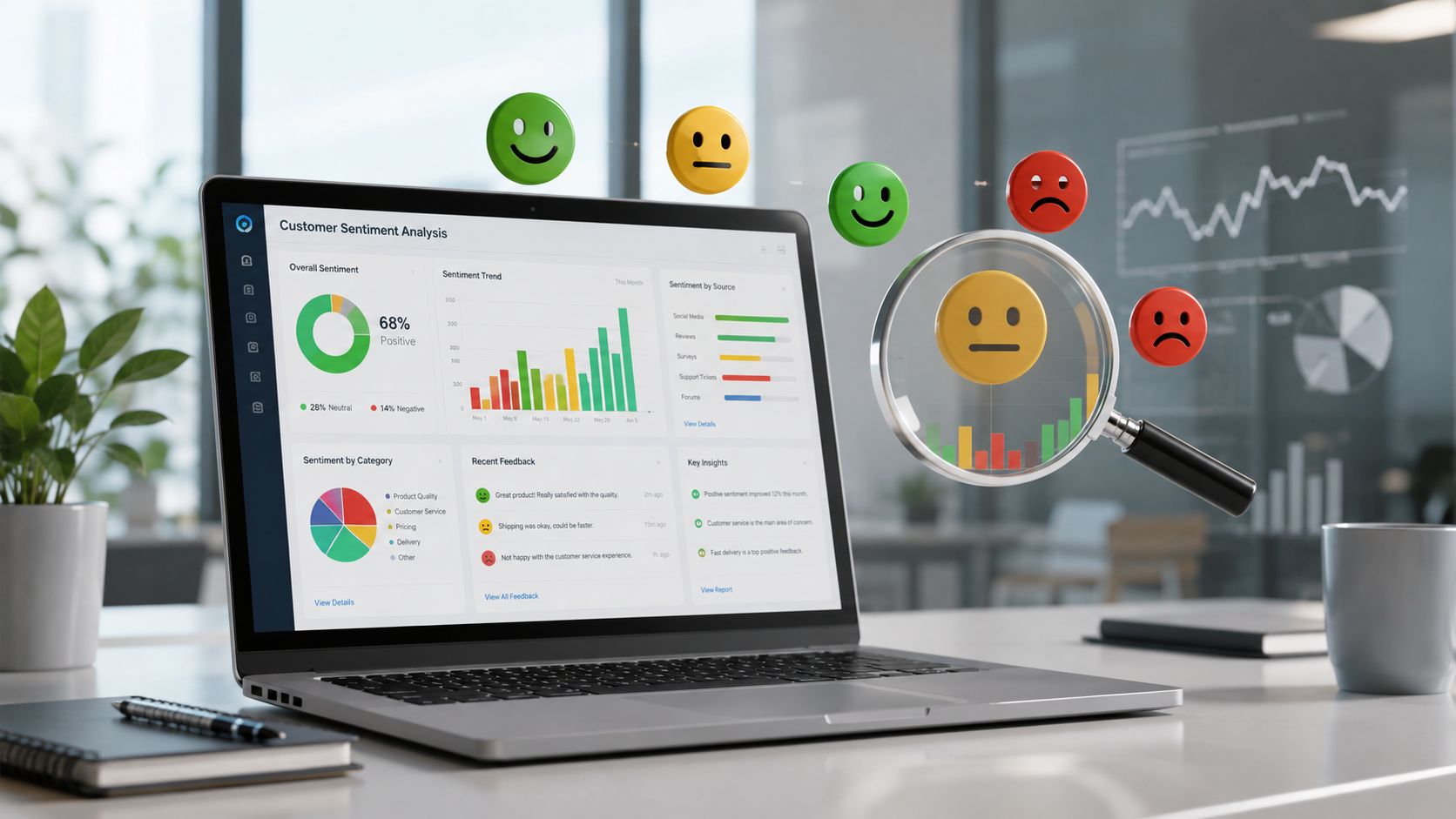
Customer sentiment analysis becomes useful when scores connect to segments, themes, and revenue outcomes. Build a small pipeline this week, then measure the sentiment change among paying accounts instead of trusting a blended average.