When to Use AI Agents: A Founder’s Decision Guide

Use an AI agent when repetitive work has volume, branching decisions, measurable cost, and safe recovery. This founder’s guide shows when scripts, chatbots, or humans are the better choice.


An LLM is good at repeated language work: drafting, summarising, classifying and rewriting one message for several channels. I show where it pays off in marketing, where it falls short and how to tell if a workflow is worth keeping.
Pick an AI social media tool by the bottleneck it removes, such as Buffer for inconsistent publishing or Canva for slow visuals. I compare ten tools on workflow fit, pricing and limits, and say when a suite like Sprout Social is worth it.
A bigger pipeline rarely means more revenue. I share the six stages with exit criteria and the weekly metrics I use to keep only qualified deals moving, plus the AI workflows that flag stale opportunities, so you can sell without a team.
Most customer behavior models miss because they chase static loyalty while buyers switch motivations across sessions. This guide shows you how to capture those decision paths with first-party data, AI clustering, and one measurable action you can build this week.
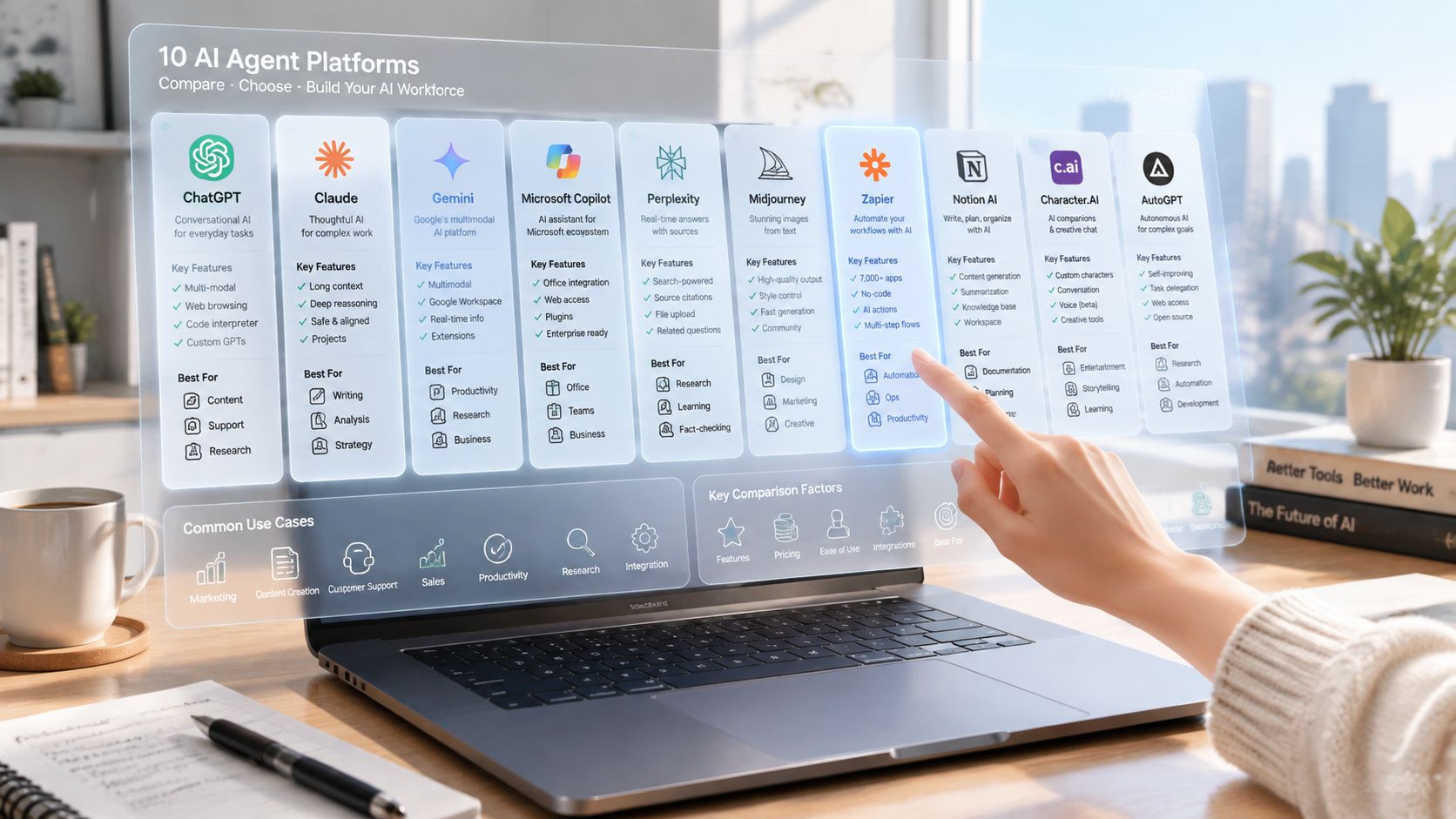
The best AI agent platform is the smallest one that can reach your workflow’s data. I compare ten, from Zapier Agents and OpenAI GPTs to LangGraph and Agentforce, by what you can build this week and where cost or risk shows up.
A practical playbook for AI in small business marketing: log a week of tasks, pick one frequent low-risk job, record a baseline, then connect the output to your CRM and reporting with a human approval step before it reaches customers.
Asking which LLM is the best misses the point. Match each model to one job in your workflow, test it on 50 of your own prompts, count cost per task, and keep a fallback ready for when the primary model throttles.
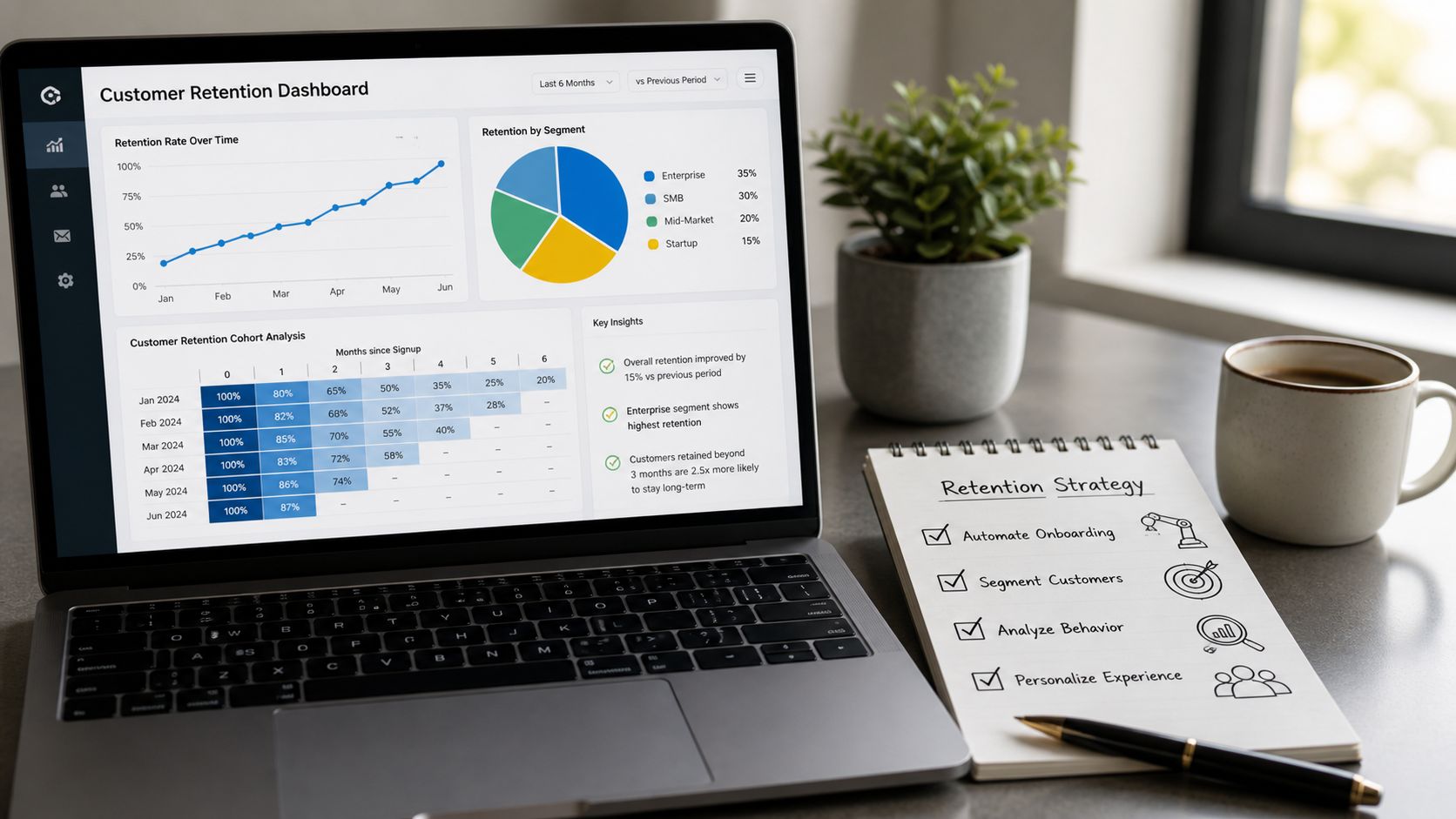
Churn shows up weeks before the cancellation screen, in falling usage and missed milestones. Start with a spreadsheet of who left and who stayed, one observable signal, one intervention and a holdout group.
Conversion improvement starts with diagnosis: find the funnel step losing the most valuable users, score fixes by expected value, and run disciplined experiments with guardrails before you redesign anything.